
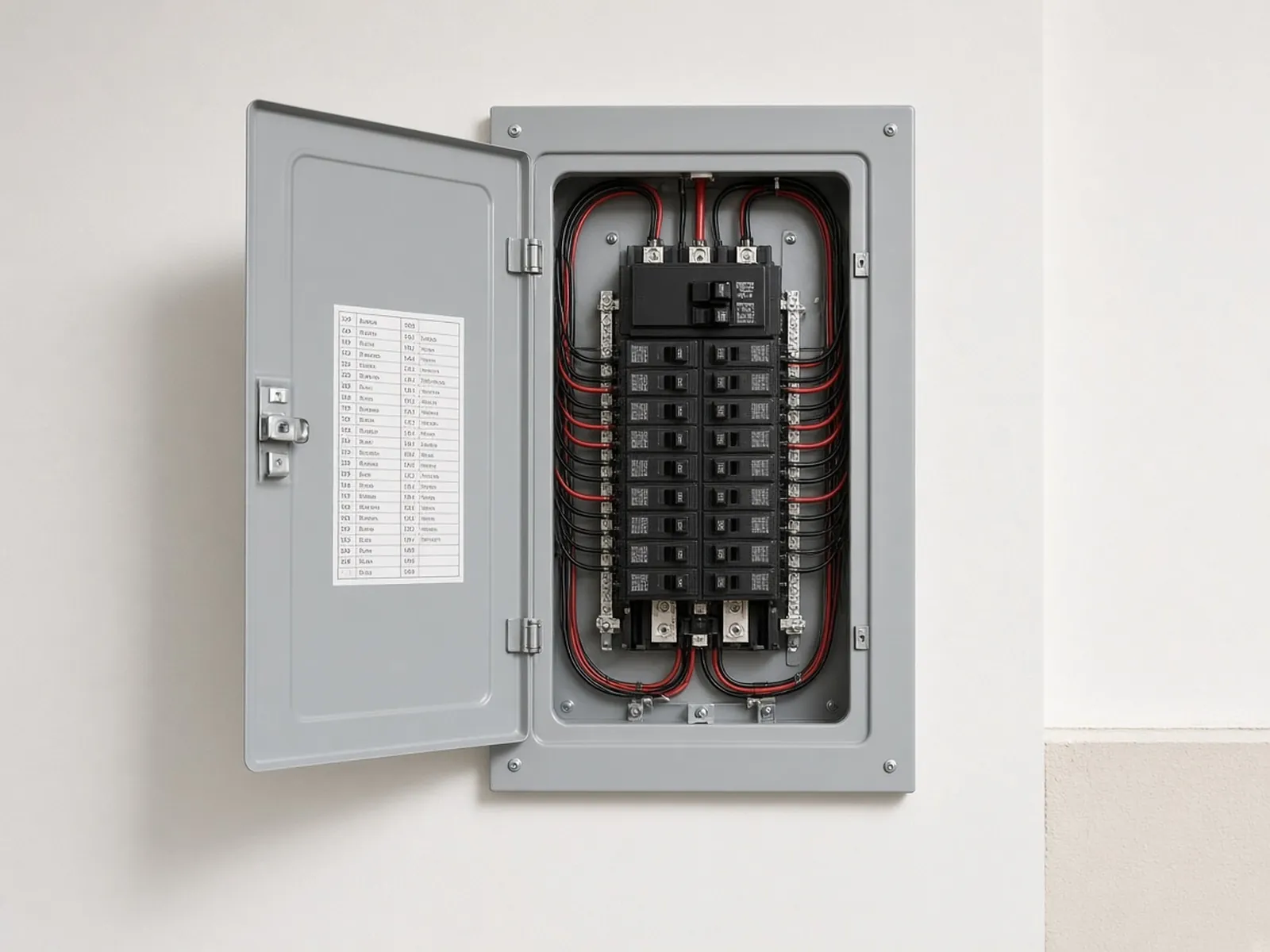
Electrical Panel Upgrade
Executive Electric Inc. upgrades aging panels so your home can run new appliances and chargers safely. We are a licensed C10 contractor, CSLB #1133790.
5.0

Related services: electrical safety inspection, EV charger installation.
What an Electrical Panel Upgrade Means
Your electrical panel is the heart of your home power system. It takes power from the utility and sends it through breakers to every room. An electrical panel upgrade replaces an old or small panel with a new one that can handle more load. Many homes still run on 100-amp service or even fuse boxes. Today’s kitchens, heat pumps, and car chargers often need 200-amp service or carefully planned capacity. Executive Electric Inc., a licensed C10 contractor (CSLB #1133790), designs upgrades that match how you actually use power.
Why Homeowners Upgrade Their Panel
People upgrade for safety, space, and future plans. Old panels can run hot, trip often, or use parts that are hard to find. Some brands have known safety concerns. A new panel gives clean labeling, modern breakers, and room for new circuits. You also gain peace of mind when you add an electric range, dryer, spa, or Level 2 EV charger. Capacity planning stops the “one more breaker and we are out of space” problem.
Common Signs You Need a Stronger Panel
Watch for breakers that trip when two big appliances run at once. Lights that dim when the AC or microwave starts are another clue. A warm panel cover, burning smell, or rust around the box means you should call a licensed electrician soon. Homes with fuses instead of breakers are strong candidates for a full upgrade. If your panel has no spare slots and you still need new circuits, a panel upgrade or subpanel is usually the next step.
How Our Panel Upgrade Process Works
We start with a load review. We look at your meter, main disconnect, panel size, grounding, and how many large appliances you run. Then we explain options in plain language: a same-location swap, a higher-amp service, or a main panel plus subpanel layout. If you are comparing bids, our guide to what a fair electrician price looks like helps you read scopes side by side. Permits and utility coordination are part of the plan. Homeowners who want a sense of visit pricing can also review what hiring a nearby electrician usually costs. On install day we shut power down safely, remove the old gear, mount the new panel, land feeders and branch circuits, and torque connections to spec. We label every breaker clearly so you can find circuits later.
Permits, Inspection, and the Utility
Panel work is not a DIY weekend project. It needs permits and a final inspection. When service size changes, the utility may need to approve the upgrade or schedule a meter change. Executive Electric Inc. handles the paperwork and schedules so you are not left guessing. We stay on site through key steps and walk you through what the inspector will check: clearances, bonding, grounding, and breaker sizing.
Benefits You Feel Day to Day
After an upgrade, circuits trip less under normal use. New breakers reset cleanly and are easy to replace if needed. You get spare slots for future work without ripping the wall open again. Insurance questions about outdated panels are easier to answer. If you sell later, a modern panel is a selling point buyers and inspectors notice. Most of all, you reduce fire risk tied to overloaded or failing equipment.
Tips Before You Schedule
List the big loads you have now and the ones you want soon: EV charger, induction cooktop, heat pump, workshop tools. Take a clear photo of your panel with the cover off only if it is safe and you are comfortable—or leave that to us. Do not keep resetting a breaker that trips the same way every day. That pattern often means the circuit or the panel is at its limit. Keep the panel area clear of storage so we can work and inspectors can see clearances.
When to Call Executive Electric Inc.
Call us if your panel is full, outdated, warm to the touch, or blocking a remodel. Call if you are planning EV charging, a generator, or a major appliance change. We explain cost drivers up front: amp rating, feeder size, grounding upgrades, and whether the utility must be involved. As a licensed C10 firm under CSLB #1133790, we focus on safe workmanship and clear communication. Your home deserves a panel that matches today’s power needs—not the needs of thirty years ago.
What Comes After the Upgrade
We review the new layout with you and leave a circuit directory that makes sense. We can schedule follow-on work such as dedicated circuits, surge protection, or charger circuits once capacity is in place. If you want a whole-home safety check next, we can pair the panel visit with an electrical safety inspection. One solid upgrade often unlocks several projects you have been putting off.
Choosing Amp Capacity With Confidence
Amp capacity is not a fashion choice. It is a math problem based on how your home uses power at the same time. We look at heating or cooling, cooking, laundry, water heating, and future EV charging. A jump from 100-amp to 200-amp service is common when homes add several large loads. Some homes stay at a lower rating with careful circuit planning and load management. Executive Electric Inc. walks you through both paths in plain language. You should leave the conversation knowing why a size was chosen, not just what sticker is on the new panel door.
Surge Protection and Whole-Home Defense
A panel upgrade is a smart moment to add whole-home surge protection. Surges can arrive from storms or from switching events on the utility side. Point-of-use strips help small devices, but they do not protect the whole service. A surge device at the panel covers more of the system at once. We explain placement, grounding needs, and what surge protection can and cannot do. It will not fix overloaded circuits, but it adds a layer of defense for electronics and appliances you rely on every day.
Cost Drivers Explained Without Surprises
People ask what drives panel upgrade cost. Amp rating, feeder length, grounding upgrades, meter-main configurations, and wall repairs all matter. Finished spaces with limited access take longer than open garages. If the utility must replace a meter or approve a service change, scheduling adds calendar time even when labor is ready. We separate electrical scope from patching and painting so bids stay clear. Written scopes list breakers, surge options, and whether a subpanel is included. That clarity protects your budget and our schedule.
Living Through the Outage Window
Plan fridge doors closed, charge phones ahead, and pause work that needs Wi-Fi if your router will be dark. Medical devices that need power should have a backup plan for the outage window. We tell you when shutdown starts and when we expect restoration. Most changeovers are measured in hours, not days, once on site. If weather or utility delays shift the plan, you hear it early. Good communication turns a stressful day into a manageable one.
Common Questions
Clear answers to the questions customers ask most before they book this service.
Most panel replacements take one day on site once permits and utility steps are set. Service size changes can add scheduling time with the utility. We give a clear timeline after the walkthrough so you know when power will be off and when inspection happens.
Not always. Some homes can add a charger on existing capacity with smart load management. Others need a panel or service upgrade first. We calculate your real load so you do not overbuy—or underbuild.
Yes, power is shut down while we swap the panel and reconnect circuits. We plan the outage window and tell you what to expect. Sensitive devices can be powered down ahead of time to avoid surprises.
Yes. Panel and service work needs a permit and inspection. We pull the permit and coordinate the inspection. That keeps the work legal and documented for insurance and future home sales.
Yes. Converting a fuse box to a modern breaker panel is a common upgrade. It improves safety and makes adding circuits much easier. We also check grounding and bonding so the whole system meets code.
Service Areas
We proudly serve homeowners and businesses in these 14 Bay Area locations.