
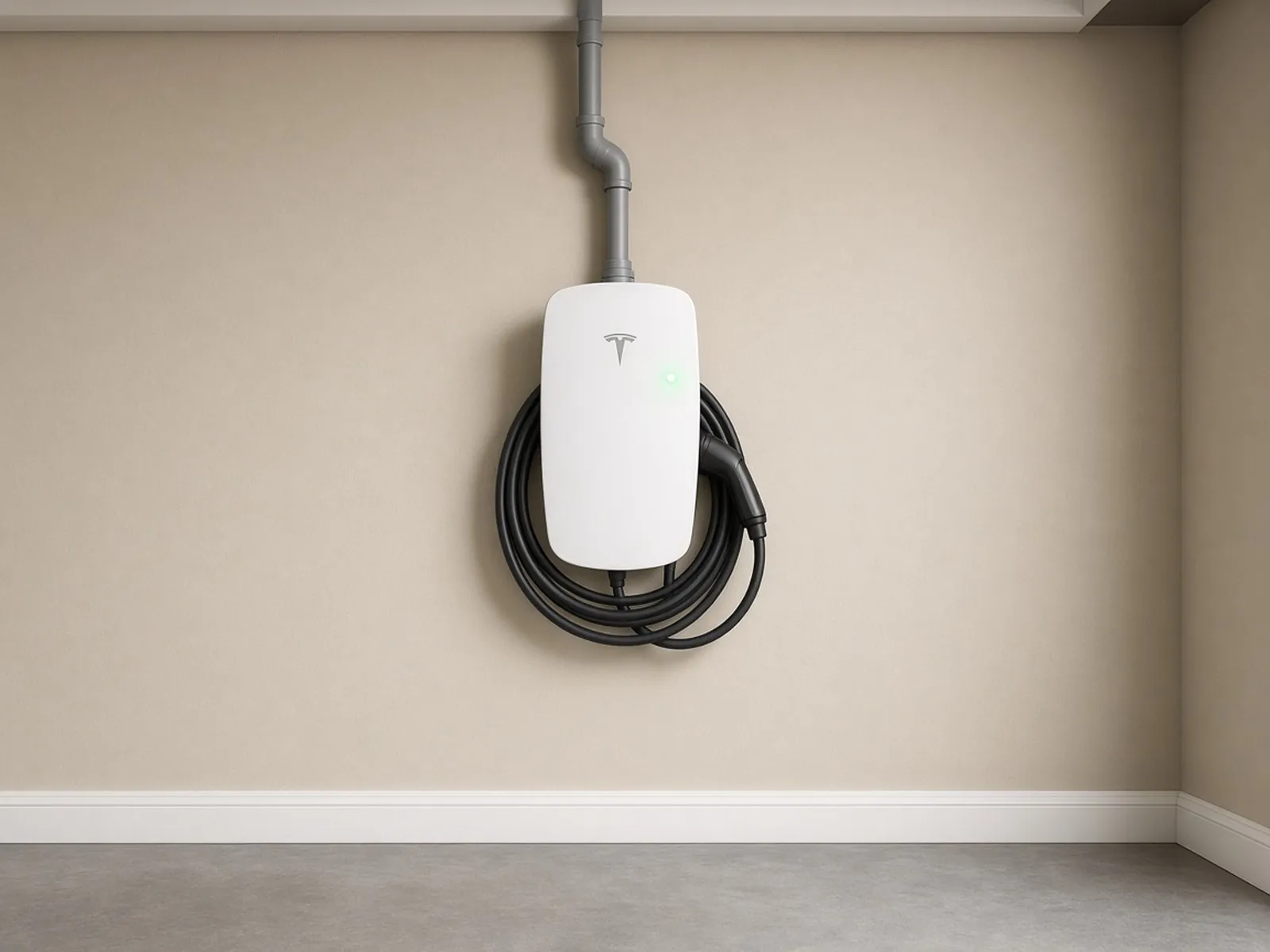
Home EV Charger Installation
Executive Electric Inc. installs Level 2 home EV chargers with proper circuits and permits. Licensed C10 contractor, CSLB #1133790.
5.0

Related services: panel upgrade, licensed electrical contractor.
What Home EV Charger Installation Includes
A home EV charger install adds a dedicated circuit and mounts an EVSE—electric vehicle supply equipment—where you park. Most owners choose Level 2 charging at 240 volts for overnight fills. The job covers load calculation, wire size, breaker selection, mounting, and permit inspection. Executive Electric Inc. is a licensed C10 contractor (CSLB #1133790). We match the charger to your panel capacity and parking layout so charging is fast and safe.
Why a Dedicated Circuit Matters
EV chargers draw steady high current for hours. Sharing a dryer or shop circuit is unsafe and often against code. A dedicated breaker and correctly sized conductors protect the wall, the vehicle, and your family. New receptacle locations should follow the same rules covered in when a licensed electrician should install an outlet. We also confirm grounding and GFCI requirements for your charger model. Skipping these steps can cause trips, heat damage, or failed inspections. Doing it once the right way costs less than fixing a shortcut later.
Common Challenges We Solve
Full panels, long wire runs, and finished walls are typical hurdles. Some garages have no spare 240-volt capacity. Others need a subpanel or main upgrade before a charger fits. When quotes arrive, use how to judge a fair electrician quote so panel work and charger labor are itemized clearly. Detached garages may need underground or overhead feeders. Indoor vs. outdoor charger ratings matter for weather and dust. We plan cable paths that keep walls neat and meet clearance rules for the disconnect or breaker.
Our Step-by-Step Install Process
First we review your panel, meter, and parking spot. We ask about your vehicle’s charge rate and whether a second car is coming soon. Next we recommend amperage—often 40-amp or 50-amp circuits depending on the EVSE and load calc. We pull permits, run wire, set the breaker, mount the unit, and test charge handshake when possible. After inspection you get a walkthrough: how to start a charge, what trips mean, and when to call us.
Hardwired Units vs. Plug-In NEMA Outlets
Some chargers hardwire to a junction box. Others plug into a NEMA 14-50 or similar receptacle. Hardwired installs look clean and suit many wall units. Plug-in setups can be flexible if you move later. We follow the manufacturer instructions and local code either way. The “right” choice depends on your charger, wall space, and whether you want a portable unit for travel.
Benefits of Charging at Home
Home charging is usually cheaper and easier than relying on public stations. You wake up to a full battery and skip midday detours. Level 2 speeds beat a standard wall outlet by a wide margin. Smart chargers can schedule off-peak charging when rates are lower through the utility’s time-of-use plans. A neat install also protects resale value—buyers increasingly expect EV readiness.
Practical Tips for Owners
Pick a wall that keeps the cable off walkways. Leave slack for different parking angles without stretching the connector. If you park outside, choose a weather-rated enclosure and protect the cable from drive-over damage. Share your vehicle’s max charge rate so we do not install more amperage than the car can use. Tell us about solar or battery systems so load planning stays accurate.
When to Call Executive Electric Inc.
Call when you take delivery of an EV, when a portable 120-volt cord is too slow, or when you want two charging spots planned together. Call before a panel upgrade so charger needs are built into the design. If a DIY attempt left you with trips or a failed inspection, we can correct the work. Our licensed team under CSLB #1133790 focuses on safe, permitted installs you can trust every night.
Planning for a Second Vehicle
Many families add a second EV within a few years. We can size conduit, a subpanel, or load-sharing chargers so the next install is simpler. Load management devices can share capacity without an immediate service upgrade in some homes. Ask about this during the first visit—small choices now save drywall and trenching later. Good planning turns one charger project into a ready-for-the-future garage.
Load Calculation Without Guesswork
Every solid EV charger install starts with a load calculation. We review the main breaker size, existing large appliances, and how often they run together. Some panels look empty but already sit near limits during evening peaks. Others have room once we correct labeling and retire unused circuits. Load management devices can throttle a charger when the home draws hard elsewhere. Executive Electric Inc. explains these tools so you are not forced into the largest upgrade if a smarter path fits. Numbers beat assumptions every time.
Cable Path, Conduit, and Wall Protection
The path from panel to parking spot shapes cost and neatness. Garage interior surface conduit can be quick and serviceable. Finished living spaces may need fishing through walls or attic runs. Exterior walls need weather seals and UV-rated materials. We protect low runs from bumping car doors and lawn equipment. Strain relief at the charger keeps conductors from loosening over years of cable handling. Clean paths also make future service faster if a unit is replaced.
Utility Rates and Charge Scheduling
Many owners save money by charging when the utility rate is lower. Smart chargers and vehicle apps can delay starts until off-peak windows. We can mount the EVSE where screens and lights are easy to see, and we show you basic schedule setup. You do not need a complex energy dashboard on day one. A simple overnight schedule often covers most needs. If you add solar later, tell us so charger behavior can align with production patterns.
Two Cars, One Panel Reality
Two electric vehicles do not always need two full-size circuits at full blast. Load-sharing chargers communicate and split available amperage. Staggered schedules also help—one car finishes before the other starts heavy charging. We design for the realistic overnight window most families have. Planning conduit and a subpanel during the first install keeps the second install from becoming a remodel. Ask about dual-ready layouts even if the second car is a year away.
Aftercare and Simple Owner Checks
Keep the connector clean and off the ground. Listen for unusual breaker chatter at the start of a charge. If charging suddenly slows or stops, note whether other large appliances were running. Do not ignore warm plugs on plug-in styles—heat means a connection issue. Call Executive Electric Inc. under CSLB #1133790 if trips repeat. A quick service visit beats damaging a vehicle inlet or wall unit.
Indoor Garage Versus Carport Mounts
Garage walls give weather protection and shorter cable paths. Carports and open parking need wet-rated equipment and thoughtful cable hangers so connectors stay clean. We plan mounting height for comfortable reach without creating a trip hazard. If you park nose-in some days and back-in others, cable length and swivel clearance matter. The best charger location is the one you will use every night without wrestling the cord.
Common Questions
Clear answers to the questions customers ask most before they book this service.
Many garage installs finish in a day once materials and permits are ready. Longer feeder runs, outdoor posts, or panel upgrades add time. We set expectations after seeing your panel and path to the parking spot.
It depends on your car, panel capacity, and how fast you need to charge overnight. We calculate load and recommend a circuit that is safe and useful—not oversized for marketing reasons.
Yes in most jurisdictions. Permits protect you with inspection and documentation. Executive Electric Inc. pulls permits and meets the inspector so the install is official and insurable.
Yes. We use weather-rated equipment, proper enclosures, and safe mounting. Outdoor runs need careful conduit and GFCI planning. We design for rain, sun, and daily cable handling.
Options include a panel upgrade, a subpanel, breaker replacement for space, or smart load management. We explain each path with pros and costs before you decide.
Service Areas
We proudly serve homeowners and businesses in these 14 Bay Area locations.