
Electrical Troubleshooting
Executive Electric Inc. tracks down electrical faults fast and explains repairs in plain words. Licensed C10, CSLB #1133790.
5.0

Related services: safety inspection, whole-house rewiring.
What Electrical Troubleshooting Really Means
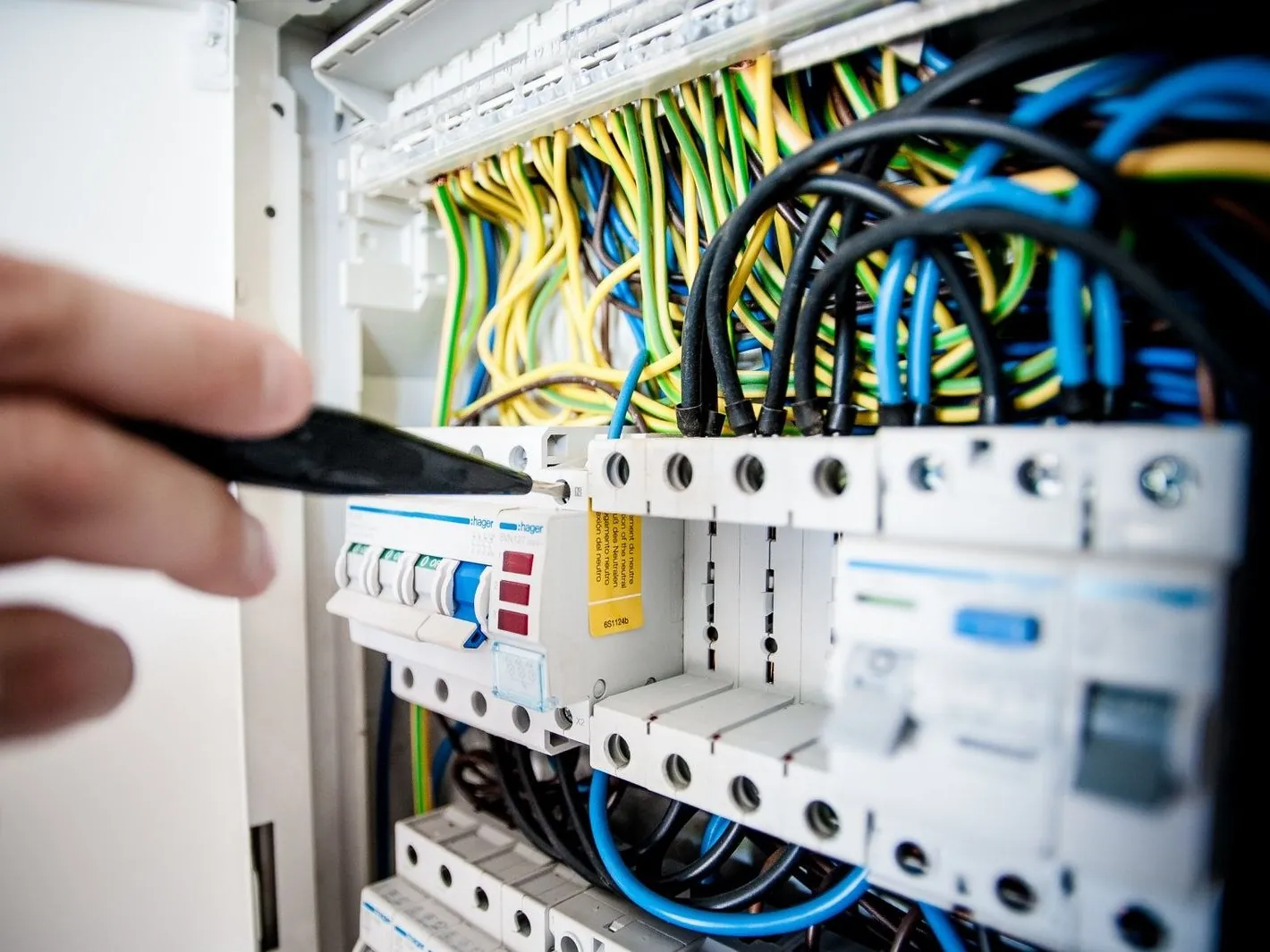
Troubleshooting is detective work for your wiring. We do not throw parts at a problem. If cost is on your mind first, start with how to find affordable electrical repairs nearby so value is not confused with the cheapest reset. We gather clues, test circuits, and find the true cause of trips, flicker, dead outlets, or burning smells. Executive Electric Inc. brings licensed C10 skill (CSLB #1133790) and the right meters for live diagnosis. You get a clear story: what failed, why it failed, and what fix lasts.
Symptoms Homeowners Ask Us to Solve
Breakers that trip when a vacuum or heater starts are common. Lights that blink when the refrigerator kicks on need attention. Half a room dead while the rest works often means a loose neutral or a failed GFCI upstream. Warm switch plates, buzzing dimmers, and outlets that only work when a cord is wiggled are also red flags. Intermittent faults are the hardest—and the most important—to catch before they arc.
Why DIY Resetting Is Not Enough
Resetting a breaker without finding the cause can hide danger. Overloads, short circuits, and ground faults each need different fixes. Swapping a receptacle that still gets bad power wastes money. Opening panels without training risks shock. Our job is to isolate the fault safely, repair it, and confirm the circuit holds under normal load. That is faster than living with random outages week after week.
How We Diagnose Step by Step
We start with your timeline: when it began, what changed, and which rooms fail together. Bring a short list from our questions to ask an electrician so symptoms and safety limits are clear on the first call. Next we inspect the panel for scorch marks, loose lugs, and mislabeled breakers. We test voltage, continuity, and GFCI/AFCI function. Thermal clues and careful tug tests on terminations often reveal loose neutrals. When walls hide junctions, we narrow the search room by room instead of opening every surface. You hear updates as we go.
Tools and Methods We Use
Expect clamp meters, receptacle testers, insulation checks where needed, and circuit tracers for mystery wires. For intermittent issues we may recreate the load that triggers the fault. We document findings so the repair is targeted. If the root cause is an overloaded panel or aging cable, we say so honestly and outline bigger options without upselling noise.
Benefits of Professional Diagnosis
You avoid repeat service calls for the same symptom. You reduce fire and shock risk from hidden arcing. You also learn which circuits are fragile so future upgrades go in the right place. Clear labeling after repairs helps the next project move faster. Most homeowners tell us the best part is simply understanding their home again—no more mystery trips at dinner time.
Tips While You Wait for Service
Unplug the device that seems to trip the breaker and see if the circuit holds. Do not keep forcing a breaker that snaps back instantly. Smell for hot plastic and feel for warm cover plates—if either appears, shut that circuit off and call us. Note whether GFCI buttons in baths or garages have popped. Write down times and rooms; patterns speed diagnosis.
When to Call Executive Electric Inc.
Call for any burning odor, sparking outlet, or panel that hums loudly. Call when lights flicker across many rooms or when a repair did not hold. Call before a remodel if old circuits already misbehave—fixing first prevents drywall surprises. Our licensed team under CSLB #1133790 treats troubleshooting as safety work, not a quick parts swap.
From Diagnosis to Lasting Repair
Once we find the fault, we repair connections, replace damaged devices, correct shared neutrals, or recommend cable replacement where insulation failed. We retest under load and reset protection devices properly. If multiple circuits show age-related wear, we may suggest a safety inspection or staged rewiring plan. You leave with working power and a written sense of what we changed and why.
Mapping Circuits So Patterns Appear
Many homes have breaker labels that lie. A living room light may share a bathroom receptacle for reasons nobody remembers. During troubleshooting we remap what each breaker actually controls. That map often reveals why two symptoms show up together. Relabeling after repairs is part of the job. Future you—and any later contractor—should not guess in the dark. Executive Electric Inc. treats labeling as safety equipment, not paperwork.
Loose Neutrals and Why They Scare Pros
Loose neutrals can make lights brighten and dim in odd ways. They can overheat and arc inside boxes you never open. Multiwire branch circuits need handle-tied breakers and careful identification. When we find loose neutrals, we repair them and check related splices upstream and downstream. This is not a place for temporary wire nuts and hope. Stable neutrals keep electronics happy and reduce fire risk tied to high-resistance connections.
AFCI and GFCI Trips Explained
Protection devices trip for reasons that feel random until tested. GFCI devices watch for current leaving the hot path that does not return on the neutral—often moisture or damaged insulation. AFCI devices watch for arc signatures from loose or damaged wires. A trip after a storm may be moisture. A trip when a vacuum starts may be a failing cord or a sensitive device on a shared circuit. We separate nuisance patterns from true faults so you do not disable safety gear out of frustration.
Intermittent Faults and Patience
The hardest calls are problems that vanish when we arrive. We may ask you to log time, weather, and which devices were on. Sometimes we stage a return visit during the usual failure window. Thermal cameras and careful load tests help catch connections that only misbehave when hot. We would rather spend an extra hour finding truth than replace three innocent parts. That patience is how licensed troubleshooting under CSLB #1133790 earns trust.
After the Repair: Prove It Holds
We do not leave when the light simply turns on once. We retest under similar load, reset protective devices, and confirm neighboring circuits still behave. You get a short explanation of what failed and what we changed. If aging cable suggests more faults soon, we say so and outline staged repairs. Honest forecasting beats surprise callbacks. Your home should feel electrically boring again—in the best way.
Shared Circuits and Modern Loads
Homes built for fewer gadgets now run space heaters, gaming PCs, and powerful vacuums on old shared circuits. Troubleshooting often ends with a recommendation for a dedicated circuit—not because we like extra work, but because physics does not negotiate. We show you which rooms share breakers and what a split would involve. Small targeted circuits stop recurring trips more cleanly than endless device swapping. That education helps you prioritize the next upgrade dollar.
Common Questions
Clear answers to the questions customers ask most before they book this service.
Trips can mean overload, a short, a ground fault, or a weak breaker. Each cause needs a different fix. We test instead of guessing so you are not replacing breakers that were never the real problem.
Yes. Flicker often comes from loose neutrals, failing devices, or voltage drop on long runs. We track the pattern and repair the connection or circuit that is unstable.
Turn off that circuit at the panel if you can do so safely, stop using the outlet, and call us. Do not keep plugging devices in to “test” it. Sparking can mean a serious loose connection.
Diagnosis time varies with how intermittent the fault is. We explain the service approach up front and quote repairs once the cause is known. Targeted fixes usually cost less than replacing parts at random.
Yes. Landscape lighting transformers, exterior outlets, and weathered junctions are common calls. Moisture and corrosion create faults that need weather-rated repairs.
Service Areas
We proudly serve homeowners and businesses in these 14 Bay Area locations.